How Routine Septic Services in Wantage NJ Protect Your Family and Property


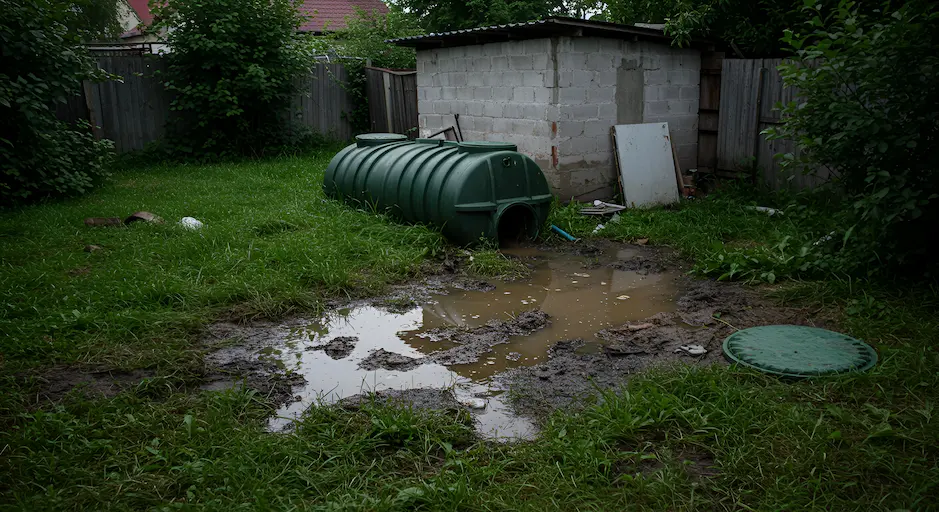
For many homeowners in Wantage, the septic system is easy to forget until something goes wrong. It sits out of sight, does its job quietly, and rarely asks for attention. That silence can be misleading. A septic system is one of the hardest working parts of a home, and when it is neglected, the damage can spread quickly from a hidden tank underground to indoor plumbing, yard conditions, household health, and property value.
Routine septic care is not glamorous, but it is practical protection. It guards against backups in the bathroom, foul odors near the house, soggy patches in the yard, contaminated groundwater, and emergency repair bills that can land at the worst possible moment. In a place like Wantage, where many homes rely on private septic systems and local conditions can vary from property to property, steady maintenance is far more than a recommendation. It is part of responsible homeownership.
Homeowners often assume that if the sinks drain and the toilets flush, the system must be fine. That is not always true. Septic trouble usually starts quietly. Solids build up in the tank. Filters clog. Baffles wear down. Drain fields receive more water than they can handle. By the time symptoms show up inside the house, the problem may already be expensive.
That is why routine septic services Wantage NJ homeowners schedule on a regular basis tend to save money, reduce stress, and extend the life of the entire system.
What a septic system is really doing every day
A residential septic system has a straightforward job, but it performs that job under constant demand. Wastewater leaves the house from toilets, showers, sinks, laundry, and often dishwashers. It enters the septic tank, where solids settle to the bottom as sludge and lighter materials such as grease float to the top as scum. Between those layers sits relatively clear liquid, called effluent, which flows out toward the drain field.
The drain field then disperses that effluent into the soil, where natural treatment continues. When everything is functioning properly, this process happens quietly and safely. When the tank becomes overloaded with solids, or when the drain field is flooded, compacted, or damaged, the balance breaks down.
A family of four can send hundreds of gallons of water through the system every day. That means even a well-built system faces constant wear. Add in seasonal guests, heavy rainfall, aging components, flushed wipes, grease, and years of accumulation, and you can see why routine service matters.
In Sussex County communities like Wantage, properties can differ widely in lot size, soil conditions, water usage, and system age. One home may go several years between pump-outs with no issue, while another may need more frequent attention because of occupancy, tank size, or habits inside the home. There is no universal calendar that fits every house. Good septic service is not just about showing up septic services Wantage NJ with a truck. It involves evaluating how the specific system is being used and whether it is showing early signs of trouble.
Small warning signs usually come before major failures
Most costly septic problems do not arrive without warning. The issue is that many homeowners miss the early signs or explain them away.
A slow toilet on a rainy week may seem minor. A faint smell outdoors may come and go. One damp spot in the lawn might be blamed on sprinklers or poor drainage. Those details matter. In the field, the systems that fail catastrophically often had a long period of subtle symptoms first.
If a septic tank is overdue for pumping, solids can begin moving into parts of the system that are meant to handle only liquid. Once the drain field receives solids, repairs become much more serious. A routine pumping bill can be manageable. Replacing a failed drain field is not.
Common early signals include the following:
- Toilets or drains that gurgle, drain slowly, or back up without an obvious indoor clog
- Sewage odors near the tank, drain field, or basement
- Bright green grass or persistently wet soil over part of the yard
- Water backing up after laundry, showers, or high-use weekends
- A tank that has not been inspected or pumped in several years
These are not signs to wait and see. They are signs to call for septic services while the problem is still contained.
Why routine pumping is about more than emptying a tank
Many people think pumping simply means removing waste and leaving. A proper pumping visit should do more than that. It is also one of the best opportunities to check the overall condition of the system.
When the tank is opened and cleaned, a trained technician can see whether sludge levels are excessive, whether scum is building too quickly, whether inlet and outlet baffles are intact, and whether there are hints of leaks or structural deterioration. Effluent filters, if the system has one, can be cleaned or assessed. The technician may also notice signs that point to household habits affecting performance, such as grease accumulation or non-biodegradable material in the tank.
This matters because timing is everything with septic maintenance. Catch a cracked lid early, and it may be a simple fix. Catch root intrusion before it gets severe, and you may avoid major excavation. Notice that solids are reaching the outlet, and you might prevent damage to the drain field.
That sort of preventive value is one of the strongest arguments for regular septic services. A septic system usually does not need weekly attention, but it does need periodic professional eyes on it.
The health side is easy to overlook until it becomes personal
When homeowners think about septic maintenance, they often focus on plumbing convenience or repair cost. Those are valid concerns, but family health deserves equal attention.
A failing septic system can expose people to bacteria, viruses, and parasites present in wastewater. That exposure may happen through indoor sewage backups, standing water in the yard, or contamination near wells and groundwater. Families with small children are especially vulnerable because children often play outdoors without noticing where the danger is. Pets can also track contaminated soil or water back toward the house.
You do not need a dramatic overflow for health risks to be present. Persistent seepage in a yard can be enough. An odor that lingers around the drain field is not just unpleasant. It can be a clue that wastewater is not being properly treated underground.
In rural and semi-rural communities, where private wells and septic systems often share the same property, routine care becomes even more important. The goal is not fear. The goal is prevention. Septic systems are safe when they are designed, used, and maintained properly. Problems arise when regular service is postponed for too long.
Wantage properties face local conditions that make maintenance important
No two septic systems age in exactly the same way, and location plays a big role. In Wantage, homes may sit on sloped lots, wooded parcels, older family properties, or land with varying drainage patterns. Seasonal changes affect performance too. Wet springs can saturate soil. Cold winters can expose weak points in older systems. Heavy holiday occupancy can overload tanks that normally handle lighter use.
Then there is the matter of age. Many New Jersey homes have septic systems that have been in service for decades. Some have been upgraded, some have not, and not every homeowner receives a complete maintenance history at closing. That gap matters. A buyer may inherit a system that has been functioning but not well cared for.
This is where experienced septic services Wantage NJ providers bring real value. Local knowledge matters. A contractor familiar with the area is more likely to recognize recurring issues tied to soil, water table conditions, and the kinds of systems commonly installed on nearby properties. They can also help homeowners understand whether a problem is seasonal, usage-related, or a sign of deeper system wear.
Routine service protects property value, even before a sale
Homeowners often think about septic care as a maintenance issue only. It is also a property value issue.
When a home is listed for sale, the condition of the septic system often becomes a major point of scrutiny. Buyers want confidence that they are not inheriting a hidden expense. Inspectors look for evidence of proper function, signs of backup, and the general care history of the system. A documented pumping and service record can go a long way toward reassuring a buyer. A neglected system, or one with suspicious wet spots and odors, can slow a sale or reduce offers quickly.
Even if a move is years away, routine service preserves flexibility. Homes that have been well maintained are easier to evaluate, easier to explain to buyers, and less likely to surprise the owner with a major replacement during a critical transaction.
There is also the basic matter of landscape damage. When septic problems surface, yards often pay the price. Saturated drain field areas, emergency digging, and muddy access for service trucks can all affect the appearance and usability of the property. A manageable maintenance schedule is far easier on the land than a sudden excavation project.
Water habits inside the house directly affect the system outside
One of the most useful things a septic professional can do is connect system performance to daily household behavior. Plenty of septic issues are not caused by defective equipment. They are caused by what families send down the drain and how quickly they send it.
A single busy weekend with extra laundry, long showers, and house guests can put unusual stress on a system, especially an older one. Likewise, regular flushing of wipes, paper towels, feminine products, grease, coffee grounds, and harsh chemicals can shorten the life of the tank and drain field.
Homeowners do not need to become obsessive, but they should understand the basic relationship between usage and wear. Spacing out laundry loads helps. Fixing leaking toilets matters because a silent toilet leak can send a surprising amount of unnecessary water into the system over time. Being careful with food grease and non-flushable items makes a measurable difference.
A good service visit often includes practical advice tailored to the home, not just a generic warning. That kind of guidance can add years to the system.
What routine septic service usually includes
The exact scope depends on the property and the provider, but most ongoing septic services fall into a few categories that support long-term system health:
- Tank inspection and assessment of sludge and scum levels
- Septic tank pumping when levels indicate it is needed
- Filter cleaning, if the system includes an effluent filter
- Basic checks of baffles, lids, and accessible components
- Recommendations based on usage patterns, age, and observed wear
This is one reason regular appointments are so useful. You are not just paying to remove waste. You are building a maintenance history and reducing the odds of expensive surprises.
How often should a septic system be serviced?
There is no honest one-size-fits-all answer. Tank size, number of occupants, garbage disposal use, water habits, and system age all matter. Many residential tanks need pumping somewhere around every three to five years, but that range can shift. A large household with a smaller tank may need service sooner. A lightly used vacation property may go longer, though it still needs periodic inspection.
It is also worth noting that “it has been fine so far” is not a reliable schedule. Septic systems tolerate neglect until they do not. The owner who waits for symptoms has already moved out of preventive maintenance and into damage control.
A reasonable approach is to establish a baseline. If the history of the system is unclear, schedule an inspection and ask the technician what they see. From there, build a service interval around actual conditions rather than guesswork.
The cost of neglect is usually higher than people expect
Emergency septic work tends to be expensive for two reasons. First, failures often happen after the problem has spread. Second, they rarely happen at a convenient time.
A backed-up system can interrupt the use of toilets, showers, laundry, and sinks all at once. If the issue is severe, the home may become temporarily difficult to occupy. Cleanup after indoor sewage exposure adds another layer of cost. If the drain field has been damaged, repair costs can rise sharply because the work may involve design review, excavation, soil considerations, and replacement of key components.
There are also indirect costs that homeowners sometimes forget. Missed work, canceled gatherings, temporary relocation in extreme cases, landscape restoration, and stress all have a price, even if they do not appear on a service invoice.
By contrast, scheduled septic services are usually predictable. They can be planned, budgeted, and done before failure reaches the point of property damage.
Choosing a provider is not just about who can pump the tank
Not every company approaches septic work with the same level of care. Homeowners should look for a provider that communicates clearly, arrives prepared, explains findings, and treats the property with respect. The best companies do not try to create panic. They tell you what is urgent, what can wait, and what habits may help.
That judgment matters. Some issues need prompt repair. Others only need monitoring. A trustworthy provider knows the difference and explains it in plain language.
In a town like Wantage, reputation counts. Homeowners benefit from working with professionals who understand local properties and who can provide ongoing septic services rather than a one-time pump-out with no context. A long-term service relationship often leads to better decisions because the provider can track patterns over time.
A neglected system does not only affect the homeowner
Septic maintenance is personal, but it is also environmental. When a failing system releases poorly treated wastewater into the soil or nearby water pathways, the impact can extend beyond one lot line. Neighboring properties, local water quality, and shared environmental resources can all be affected.
That is part of why routine care matters even when the signs seem minor. A small seep today can become a broader contamination issue tomorrow. Responsible maintenance helps protect both private property and the surrounding community.
For homeowners who value stewardship of their land, this point often resonates. Taking care of a septic system is part of taking care of the property as a whole.
The real benefit is peace of mind backed by evidence
A well-maintained septic system does not demand attention every week, and that is exactly the point. Routine service lets the system stay forgettable in the best way. Toilets flush. Drains clear. The yard stays dry. There is no odor near the patio after rain. Guests can stay for the weekend without overloading a tank that is already overdue for care.
That peace of mind is not based on hope. It is based on evidence, inspection records, and the steady habit of dealing with small issues before they become expensive ones.
For homeowners in Sussex County, and especially those looking for dependable septic services Wantage NJ, regular maintenance is one of the clearest examples of how a modest, planned expense protects much larger investments. It protects the structure of the home, the function of the plumbing, the safety of the yard, the health of the family, and the long-term value of the property.
Septic systems are built to last, but they are not built to be ignored. Routine septic services keep them working the way they were meant to work, quietly, safely, and without disrupting daily life. When that service is done consistently, the payoff shows up everywhere that matters most: inside the house, across the property, and in the confidence that your home is being cared for the right way.
Excavating New Jersey LLC
Address: 406 County Rd 565, Wantage, NJ 07461
Phone number: +19737914284
FAQ About Septic Services Wantage NJ
What is the average cost to get a septic tank emptied?
Emptying a septic tank costs between $290 and $560 on average, with most homeowners paying about $420. Prices vary based on tank size.
What is septic service?
Septic service inspects, pumps, cleans, and maintains a septic tank. A septic tank is a large, underground container that collects and treats wastewater from your home. Over time, sludge, scum, and other debris, like hair and solids, can build up in your tank and clog your drain field.
How often should you have a septic tank serviced?
A standard septic tank should be inspected every 1 to 3 years and pumped every 3 to 5 years. However, the exact schedule depends on your tank's capacity, household size, and daily water usage.