Norweco Singulair Green Wantage NJ: Tips for Better System Performance
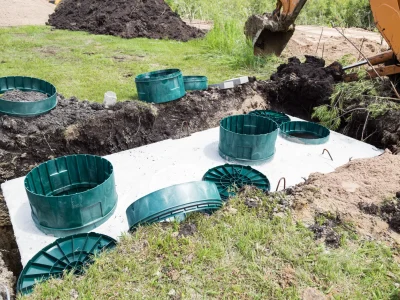
If you own a Norweco Singulair Green system in Wantage, NJ, you already know it is not a basic septic setup. It is a mechanical treatment system, which means it depends on more than a buried tank and gravity. It relies on steady biological activity, consistent flow patterns, and functioning mechanical components. When those pieces stay in balance, performance is excellent. When they do not, the warning signs usually show up in ways homeowners notice quickly, odors, alarms, wet areas, sluggish drains, or higher service costs.
That matters even more in Sussex County, where weather swings can be hard on wastewater systems. Wantage gets cold winters, wet spring periods, and stretches of summer heat that can stress both treatment and dispersal. A conventional septic tank can often limp along while problems build quietly. A treatment unit like the Singulair Green tends to give clearer signals, but it also asks more of the owner. Not constant attention, just informed attention.
The good news is that better performance usually comes from a handful of practical habits, not heroic effort. Most avoidable problems come from overloading the system, neglecting routine service, or treating the system like a household trash can. I have seen units run smoothly for years with ordinary families in the home simply because the owner understood how water use, maintenance, and local site conditions work together.
What makes the Singulair Green different
A Norweco Singulair Green unit is designed to treat wastewater to a higher level than a standard septic tank. That usually means cleaner effluent before it reaches the next stage of disposal or dispersal. The benefit is obvious when a property has site limitations, tighter regulatory requirements, or environmental sensitivity. The trade-off is that better treatment depends on active processes, including aeration and biological treatment, rather than passive settling alone.
In plain terms, your system is more like a compact wastewater treatment plant than an old-fashioned septic tank. It still needs solids management. It still depends on healthy bacteria. But it also depends on electrical components, internal flow control, and regular observation. If a blower fails, if filters clog, or if the unit is hydraulically overloaded, treatment quality can drop long before a complete backup happens.
That distinction is important for homeowners searching for advice on a norweco singulair green Wantage NJ system. Generic septic tips only go so far. Good pumping intervals help, yes. So norweco singulair green Wantage NJ Excavating New Jersey LLC does protecting the drainfield. But a treatment unit also needs attention to power, alarms, service intervals, and how the home uses water day to day.
Performance starts with water habits inside the house
The single biggest factor in long-term performance is hydraulic loading, which is a technical way of saying how much water enters the system, and how fast. I have seen perfectly sound treatment units struggle because a family concentrated too much water into short windows. Three back-to-back showers, two loads of laundry, a dishwasher cycle, and a long bathtub drain can hit a residential system harder than most people realize.
Wastewater treatment works best when flow is spread out. Biological treatment improves when the system gets a more even meal instead of feast-and-famine surges. In Wantage homes, that matters because some properties also contend with seasonal groundwater changes. If the soil dispersal area is already working harder during wet weather, indoor water spikes can push an otherwise stable system into a bad week.
A homeowner once described their issue as random odors after busy weekends. It was not random at all. Their adult children visited, laundry ran nonstop on Sundays, and the unit spent hours receiving heavy flow. The treatment system recovered, but not gracefully. Spacing out laundry and shortening that one-day water crush improved performance without a single repair.
A few habits make a real difference:
- Spread laundry over several days instead of doing it all in one afternoon.
- Repair leaking toilets and dripping fixtures promptly, because small leaks add steady unnecessary load.
- Use high-efficiency fixtures where practical, especially showerheads and toilets.
- Avoid draining hot tubs, water softener backwash, or large volumes of clear water into the system unless your installer specifically designed for that use.
- Keep roof drains, sump pumps, and foundation drains completely separate from the wastewater system.
None of those suggestions are glamorous, but they work. A treatment system usually performs best under boring, predictable conditions.
The bacteria do the treatment, so do not poison them
Homeowners are often told that septic systems need bacteria, but the advice gets watered down into folk wisdom. The more useful version is this: your treatment unit depends on a stable biological community, and that community does not like sudden exposure to disinfectants, solvents, or non-biodegradable junk.
Normal household cleaning is fine. Obsessive overuse of antibacterial products is not. One heavy dump of chlorine bleach is rarely catastrophic in a properly sized system, but repeated high-strength dosing can suppress the very organisms that break down waste. The same goes for paint thinner, pesticides, automotive fluids, and strong degreasers. If it should not go down a municipal drain in large quantities, it definitely should not go into your on-site treatment system.
Kitchen habits matter too. Garbage disposals increase solids load, period. They are convenient, but they turn food scraps into septic burden. Grease is worse. It cools, thickens, and contributes to scum accumulation and clogging. Coffee grounds, eggshells, fibrous vegetables, and starchy masses do not belong in a wastewater treatment unit just because a disposal can grind them.
A system like the Norweco Singulair Green is not fragile, but it is not magic. It handles domestic wastewater, not every waste stream a household can produce.
Service visits are not optional maintenance theater
Many owners assume that if drains are flowing and no alarm is sounding, the system is fine. That assumption gets expensive. Mechanical treatment units need periodic professional service because not all problems announce themselves dramatically. A blower can weaken before it fails. Solids can accumulate beyond the point where treatment quality suffers. Effluent filters and internal components can foul gradually. Alarms can even malfunction.
If your local permit or service agreement calls for regular inspections, treat that schedule seriously. In many parts of New Jersey, advanced treatment systems are expected to be maintained by qualified professionals, and for good reason. A trained technician is not only checking whether the unit is on. They are assessing whether it is treating properly.
For homeowners in Wantage, that service visit is also a chance to catch issues related to freezing conditions, infiltration, riser sealing, and site drainage. A unit on a sloped lot behaves differently than one on flatter ground. A house used only on weekends has different patterns than a full-time family home. A technician who knows the local area will often notice small clues a general plumber would miss.
What should a solid service visit accomplish? At minimum, it should include a functional check of mechanical components, a look at sludge and scum levels, inspection of alarms, and an overall assessment of how the treatment unit and downstream disposal area are behaving. If a contractor spends only a few rushed minutes onsite and offers no observations, ask better questions or find a more thorough provider.
Pumping intervals are not one-size-fits-all
One of the most persistent myths in onsite wastewater care is that every tank should be pumped on the same fixed schedule. Real life is messier than that. Pumping frequency depends on tank capacity, occupancy, water use, food waste habits, and how well the system was maintained between visits. A home with two people and careful habits may generate solids far more slowly than a busy five-person household with a garbage disposal and frequent guests.
That said, waiting until there is a problem is the wrong approach. Solids that move too far into a treatment train can reduce performance and create more expensive cleanup later. For a Norweco Singulair Green setup, pumping should happen based on observed accumulation and manufacturer or service-provider guidance, not guesswork or a social media rule of thumb.
I have seen homeowners postpone pumping because the yard looked dry and the toilets still flushed. The system was technically still operating, but internal conditions had already drifted away from where they should have been. By the time symptoms appeared, the remedy cost more and the family endured more disruption. Preventive pumping is cheaper than corrective pumping plus repair.
Watch the alarm, but do not panic
An alarm on a treatment unit is doing exactly what you pay it to do, tell you something needs attention. Too many owners either ignore alarms or assume the entire system is on the brink of failure. Neither reaction helps.
A high-water or malfunction alarm can be triggered by several conditions, including pump or blower issues, high inflow, electrical interruptions, or component failure. After storms, brief outages can sometimes be part of the story. So can heavy household water use. The right response is usually controlled and practical: reduce water use immediately, confirm whether power is on, and contact your service provider.
Here are the signs that deserve prompt attention:
- A persistent alarm that does not reset after normal checks
- Sewage odors near the tank, treatment unit, or yard
- Wet or unusually lush areas over the dispersal area
- Gurgling drains or backups inside the home
- Effluent surfacing or standing water where it should not be
A quiet alarm panel is reassuring, but it is not proof that everything is perfect. An active alarm, though, should never be treated as background noise.
Winter performance in Wantage takes a little planning
Cold weather changes the game in Sussex County. Biological processes slow in low temperatures, and freezing conditions can affect exposed or shallow components, especially where snow cover is inconsistent. Snow actually helps by insulating the ground. Ironically, a bare, wind-swept winter can be harder on some systems than a snowy one.
The biggest cold-weather mistakes are often simple. Homeowners drive over treatment areas and compact the snow cover. Seasonal residents shut heat down too far and leave the building underused, then return and hammer the system with heavy flow. Contractors remove insulating vegetation or disturb cover without realizing they have changed the thermal conditions around the system.
If your norweco singulair green Wantage NJ setup includes risers or above-grade access points, make sure lids are secure and watertight before winter settles in. Surface runoff entering access points can create trouble in any season, but freeze-thaw cycles make minor sealing problems worse. If a service technician recommends insulating vulnerable piping or protecting a shallow line, that advice is worth taking seriously.
One winter case I remember involved a property where a plow contractor repeatedly piled snow in a way that redirected meltwater across the treatment area. The homeowner thought the spring wet spot indicated a system failure. In reality, the site hydrology had been altered by snow management. Once the drainage pattern was corrected, the system stabilized. That sort of thing happens more often than people think.
The yard above the system matters more than most owners realize
Everything above and around the treatment area affects how well the whole setup works. Heavy vehicles compact soil. Added fill changes oxygen transfer and drainage characteristics. Aggressive roots seek moisture. Patio projects, sheds, and fire pits get installed with no one checking where the system components actually sit.
This is where experience helps. Homeowners tend to think in terms of the tank and maybe the visible access lids. The working footprint is usually larger and more interconnected than that. The treatment unit, connection lines, and dispersal area all need protection. If your installer gave you an as-built drawing or system layout, keep it somewhere accessible. If you do not have one, it is worth asking your service provider or local records office what information is available.
Grass cover is usually your friend. Deep-rooted trees and woody shrubs often are not. The right planting strategy keeps erosion down and avoids root invasion. If the area gets soggy after rain, do not automatically blame the treatment unit. Surface grading, gutter discharge, and neighboring runoff may be part of the problem. Good diagnosis starts with the whole site, not just the tank.
Household products can help or hurt, but additives are not magic
Owners often ask whether enzyme or bacterial additives improve system performance. My view is cautious. A healthy residential wastewater system already receives plenty of biological input from normal use. Most additive claims outrun the evidence, and some products are little more than expensive reassurance in a bottle.
That does not mean every additive is harmful. It means none should substitute for proper maintenance, pumping, or good water habits. If a system is underperforming because of overload, poor solids management, failing aeration, or a compromised dispersal area, a jug of additive will not cure it.
What does help is avoiding products that create problems in the first place. “Flushable” wipes are a classic example. They are not kind to pumps, filters, or treatment units. Feminine hygiene products, paper towels, dental floss, cat litter, and cigarette butts belong in the trash, not the toilet. The system is designed for human waste and toilet paper. People complicate it from there.
When performance slips, diagnosis should be methodical
Not every bad smell means the same thing. Not every wet patch points to total failure. This is where a calm, stepwise approach saves time and money.
Start with timing. Did the issue appear after a storm, a holiday gathering, a power outage, or a recent pumping? Then consider location. Is the odor near the treatment unit, near indoor plumbing fixtures, or out in the dispersal area? Is the wetness isolated or broad? Are drains slow throughout the home or only in one bathroom? Context narrows the possibilities quickly.
A good technician will connect symptoms to likely causes rather than jumping straight to worst-case scenarios. For example, intermittent odor near the unit could point to a service issue, venting conditions, or lid sealing. Sluggish drains only in one fixture may be a house plumbing issue, not a treatment system problem. Widespread slow drainage combined with an alarm is more serious and deserves immediate attention.
This is also why documentation helps. If you keep a simple record of pumping dates, service calls, alarm events, and unusual site conditions, trends become easier to spot. Homeowners who do this often save themselves from repeated guesswork.
Seasonal occupancy and guest surges require strategy
Wantage properties vary. Some homes are full-time family residences. Others have fluctuating occupancy, weekend use, or guest-heavy periods. A treatment system prefers consistency, but real life rarely offers it.
If you host large holiday gatherings, plan around them. Spread showers where you can. Delay marathon laundry sessions until guests leave. Pay attention to what gets flushed when younger children or less septic-aware visitors are in the house. If a property sits partially unused for stretches, the return to high use should be gradual when possible. A sudden jump from near-zero flow to full household demand is harder on treatment than a smoother ramp-up.
This is not about tiptoeing around your home. It is about understanding system rhythm. The owners who have the fewest unpleasant surprises are usually the ones who respect those rhythms without becoming obsessive about them.
The local angle matters in Wantage
Advice for a treatment system in a warm, sandy coastal area does not always fit a property in Wantage. Northern New Jersey conditions introduce their own variables, bedrock in some areas, rolling topography, freeze-thaw cycles, and weather that can swing from dry spells to extended wet periods. Even neighboring lots can behave differently based on grading and soil depth.
That is why local service knowledge matters so much for a norweco singulair green Wantage NJ installation. The system itself may be standardized, but performance is always site-specific. A contractor familiar with Sussex County conditions will often ask better questions about runoff, winter behavior, and disposal area response than someone who only knows generic septic maintenance.
If you are new to the property, do not assume the previous owner passed along everything important. Ask for maintenance records. Confirm where every component is located. Learn where alarms are mounted and what they indicate. Find out who has serviced the system before and whether there are permit-related maintenance obligations. That information shortens the learning curve and helps you avoid accidental neglect.
Better performance is usually the result of steady habits
The owners who get the best life and performance from these systems rarely do anything dramatic. They spread water use, respect the biology, stay current on service, and pay attention when conditions change. They do not wait for sewage to surface before taking the system seriously.
A Norweco Singulair Green unit can perform very well in Wantage, NJ, but it performs best when the homeowner understands that advanced treatment is a partnership. The system does the engineering work. You provide reasonable loading, routine care, and quick response when something looks off. That arrangement is not burdensome. It is simply the cost of reliable treatment on a property that depends on its own wastewater system every single day.
If you approach it that way, most problems stay manageable, many are prevented outright, and the system has a much better chance of delivering the quiet, uneventful performance every homeowner wants.
Excavating New Jersey LLC
406 County Rd 565
Wantage, NJ 07461, United States
Phone: +1 (973) 791-4284
FAQ About norweco singulair green Wantage NJ
How does a Norweco septic system work?
Singulair Green uses aerobic biological treatment in a polyethylene tank, followed by settling and filtration. The treatment unit is one part of a complete wastewater system; the site design also determines how treated effluent is dispersed.
How much does a Norweco septic system cost in NJ?
A useful estimate requires a property evaluation. Excavation access, soil conditions, engineering, electrical work, the disposal field, and restoration can affect the total. Ask Excavating New Jersey LLC for a written scope that distinguishes installation costs from ongoing service costs.
Are Norweco septic systems good?
Singulair Green is an established aerobic treatment option, but suitability depends on the property and proposed design. Compare the model's documented performance, maintenance needs, and total project scope with alternatives before deciding.