Septic Services Explained: Pumping, Cleaning, and Repairs

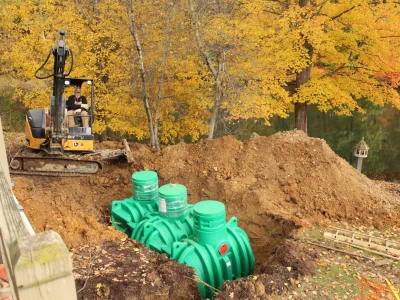
A septic system is easy to ignore when it is working properly. Wastewater leaves the house, fixtures drain as expected, and the yard looks normal. That quiet reliability is exactly why many homeowners do not think much about septic services until something goes wrong. By then, the issue is often messy, urgent, and more expensive than it needed to be.
Most septic trouble starts small. A tank goes too long without pumping. Solids drift where they should not. A filter clogs. Tree roots find a weak point in a pipe. Heavy rain saturates the drain field and exposes a system that was already under strain. None of those problems appear overnight, and none of them improve with neglect.
Understanding what septic services actually include helps homeowners make better decisions before a backup or wet spot forces the issue. Pumping, cleaning, inspections, line work, baffle replacement, riser installation, and drain field repairs all serve different purposes. They are related, but they are not interchangeable. If you know what each service does, when it is needed, and what warning signs matter, you are far less likely to overpay, underreact, or be sold the wrong fix.
What a septic system is really doing every day
A conventional septic system has a simple job, but it does that job in stages. Wastewater from sinks, showers, toilets, laundry, and appliances flows into the septic tank. Inside the tank, solids settle to the bottom as sludge, oils and grease float to the top as scum, and the relatively clear liquid in the middle, called effluent, moves out toward the drain field.
That description sounds tidy on paper. In practice, the tank is processing a changing mix of water, soap, paper, waste, food residue, and household chemicals. The system depends on time, gravity, and a healthy balance inside the tank. If too much water enters too quickly, solids can stir up and move out. If the tank is overfull with accumulated sludge, there is less room for separation. If nonflushable products build up, the tank may need more intensive attention than a routine visit.
The drain field handles the next stage. Effluent flows through perforated pipes or chambers into soil, which provides final treatment through filtration and natural biological action. Once the soil becomes clogged, compacted, or waterlogged, the whole system starts losing capacity. That is why septic care is not just about the tank. A service call may begin there, but the condition of the lines, components, and drain field matters just as much.
Pumping is maintenance, not a cure-all
When people hear septic services, they usually think of pumping. That makes sense, because pumping is the most common scheduled maintenance task and the one nearly every septic system needs at regular intervals. During pumping, a vacuum truck removes the accumulated sludge and scum from the tank so it can keep separating wastewater properly.
The timing depends on tank size, household size, water use habits, and what enters the system. A small tank serving a busy household may need pumping every two to three years. A larger tank with light use may go longer, sometimes four to five years. Those are rough ranges, not guarantees. I have seen tanks at three years that were overdue, and tanks at five years that were still in decent condition because the home had limited occupancy and careful water use.
Pumping matters because solids do not disappear. Bacteria break down some material, but not enough to eliminate the need for removal. Once solids rise too high, they can leave the tank and enter the drain field. At that point, the cost of neglect jumps fast. A routine pump-out is far less expensive than rehabilitating or replacing a failing field.
A proper pumping visit should do more than just remove contents and leave. The technician should locate and open the tank, assess sludge and scum levels, inspect accessible components such as baffles and tees, and note any obvious warning signs like root intrusion, damaged lids, strong backflow, or evidence that solids have escaped the tank. If a company arrives, pumps without looking, and offers no information about condition, that is maintenance done halfway.
Cleaning is not just another word for pumping
Homeowners often use pumping and cleaning as if they mean the same thing. In everyday conversation, that is common. In actual septic work, cleaning can imply a more thorough service.
A standard pumping removes liquid, sludge, and floating scum. A more complete cleaning may include washing down tank walls, breaking up compacted solids, clearing filters, and removing material that has hardened or settled in a way that a quick vacuum pass does not fully address. This distinction matters most when a tank has gone far too long without service, when the system has received wipes or other debris that do not break down well, or when there is an outlet filter that needs attention.
Effluent filters are a good example. Many newer systems have them, and they do an important job by catching solids before they leave the tank. They also clog over time, especially if the tank is overdue or the home sends too much lint, grease, or soft debris into the system. Cleaning the tank without checking the filter leaves a likely trouble spot untouched.
There is also a judgment call involved. An older tank with damaged baffles, collapsed inlet piping, or signs of drain field failure may not benefit much from aggressive cleaning if the underlying problem is structural. In those cases, the right septic services include diagnosis and repair planning, not just a more forceful version of maintenance.
The signs that should not be ignored
Septic systems rarely fail without warning. The early signs can be subtle, and that is where homeowners get into trouble. A slow drain in one sink may just be a local clog. Several sluggish drains across the house, especially when combined with gurgling or toilet issues, point toward something larger. Likewise, one wet patch in the yard after heavy rain is not enough to diagnose a field problem, but a recurring soggy area near the tank or drain lines deserves attention.
These are the symptoms that most often justify a septic inspection or service call:
- Drains slow down throughout the house, not just at one fixture.
- Toilets gurgle or back up when water from another fixture is used.
- Sewage odors appear indoors or near the tank and drain field.
- The lawn above the system stays unusually wet, green, or spongy.
- The tank has not been pumped within the expected service interval.
That last point is more important than it sounds. Many emergency calls happen because owners simply do not know when the tank was last serviced. If you buy a home with a septic system, one of the first things worth establishing is tank size, location, system type, and service history.
What happens during a septic inspection
An inspection can be basic or comprehensive depending on the reason for the visit. For maintenance, it may be part of a pumping appointment. For a property sale, a system concern, or a suspected failure, it is usually more detailed.
At minimum, the tank should be opened and the liquid levels checked. The technician will look at the https://dallasfzan931.bearsfanteamshop.com/why-fast-response-septic-services-matter-in-emergencies inlet and outlet baffles or tees, because those components help keep solids where they belong. If a baffle is missing or deteriorated, solids can move downstream and begin clogging the drain field. That is one of the most common repair items I see on aging systems, and it is often caught only when someone actually opens the tank and looks.
The technician may also inspect risers and lids, check for leaks, evaluate whether the tank appears structurally sound, and assess the condition of the effluent filter if one is present. If the concern involves poor drainage or backups, the service may extend to line inspection, distribution box evaluation, and drain field diagnostics.
A good inspection provides specific observations, not vague reassurance. “Looks fine” is not very useful. “Outlet baffle intact, filter moderately clogged and cleaned, sludge depth within acceptable range, no visible tank cracks, recommend pumping in twelve months and monitor wet area near north trench” is far more valuable. Septic systems are not mysterious when someone explains what they are seeing.
Repairs range from simple fixes to major excavation
Septic repairs cover a wide spectrum. Some are modest and can be completed quickly. Others involve significant digging, permitting, and expense. One reason homeowners get confused is that the same symptom, such as a backup, can come from very different causes.
A blocked inlet line from the house to the tank is not the same as a failed drain field. A damaged lid is not the same as a cracked tank. A clogged effluent filter is not the same as saturated soil. Each problem needs its own remedy.
Common septic repairs include replacing broken or missing baffles, repairing cracked lids, installing risers for easier future access, fixing damaged inlet or outlet pipes, addressing root intrusion, replacing filters, and repairing or leveling a distribution box. On older systems, I often recommend risers even when they are not strictly necessary for function. They make future septic services simpler, safer, and cheaper because the tank no longer needs to be dug up every time it is serviced.
Tank damage requires more caution. Hairline cracking is one thing. Structural failure is another. Concrete tanks can deteriorate over time, steel tanks can rust badly, and older systems may have components that no longer meet current standards. In those cases, repair may be possible, but replacement can be the better long-term choice.
Drain field work is where costs and complexity rise. If a field is partially clogged but not completely lost, there may be options for targeted repair or restoration depending on local regulations and soil conditions. If the field has failed outright, replacement is often the only durable answer. No additive, miracle treatment, or aggressive pumping schedule is going to reverse a fully failed field.
Why drain fields fail, and why pumping alone cannot save them
Homeowners understandably want the least invasive fix. If the yard is wet and drains are slow, many hope that pumping the tank will solve everything. Sometimes it does, especially if the tank was badly overdue and the field has not yet suffered permanent damage. But once the soil treatment area is compromised, pumping only buys time.
Drain fields usually fail for one or more familiar reasons. Solids may have escaped the tank because pumping was delayed too long or baffles failed. Excessive water use may have overloaded the field day after day. Vehicles may have compacted the soil or crushed lines. Tree roots may have entered components. Surface water may have been allowed to drain over the field, keeping the area too saturated to function properly.
One job I remember involved a home where the owners pumped the tank faithfully every few years, yet the field still failed. The culprit was not neglect in the usual sense. It was roof runoff. Downspouts had been discharging toward the drain field for years, and seasonal saturation slowly robbed the soil of treatment capacity. The pumping schedule was fine. Site drainage was not. That is a good reminder that septic systems live within a larger landscape, and the ground around them matters.
Habits inside the house shape how often septic services are needed
Some households are hard on septic systems without realizing it. The system does not care whether the extra load comes from good intentions or bad information. “Flushable” wipes remain a problem. So does using the toilet as a trash can, pouring grease down the drain, and running too much water in short bursts.
Laundry is an overlooked factor. Several back-to-back loads in a small household system can send a huge water volume to the tank in a single day. High-efficiency appliances help, but habits matter more than labels. Spacing out water use gives the tank and field time to work as intended.
Garbage disposals also increase solids. They are not forbidden everywhere, but they change the maintenance equation. A household that uses a disposal heavily often needs more frequent pumping than one that keeps food scraps out of the plumbing. That does not mean disposals are always a mistake. It means the owner should understand the trade-off.
These day-to-day choices make a measurable difference:
- Spread laundry and other heavy water use across the week.
- Keep grease, wipes, paper towels, and hygiene products out of the system.
- Direct roof runoff and surface drainage away from the tank and field.
- Keep vehicles, sheds, and heavy traffic off the drain field area.
- Pump on schedule and keep records of every service visit.
Those records matter more than most people think. If performance changes, a service history helps a technician see patterns. If you sell the house, it reassures buyers. If local authorities require documentation, you already have it.
Choosing a septic service company wisely
Not all septic service providers do the same work, and not all are equally thorough. Some mainly pump tanks. Some handle inspections and straightforward repairs. Others can manage larger excavation, drain field work, and full system replacement. The right fit depends on the problem.
A good company asks useful questions before dispatching a truck. They will want to know the age of the system, the symptoms, the last pumping date if known, and whether the issue is indoor backup, outdoor surfacing, odor, or routine maintenance. That conversation tells you a lot. If every problem is treated as “just needs pumping,” be cautious.
Clear communication matters just as much on site. Homeowners should expect an explanation of what was found, what was done, and what the next step is if the issue is not fully resolved. Good septic services are practical, not theatrical. You do not need jargon. You need observations, likely causes, and realistic options.
Pricing should also match the work. Routine pumping is usually straightforward to quote, though access, tank size, digging, and disposal fees can affect cost. Repairs vary much more. If a company recommends a major repair, ask what evidence supports that recommendation and whether less invasive diagnostics have already ruled out simpler causes. A reputable contractor will not resent careful questions.
Maintenance schedules are useful, but judgment still matters
People often ask for a single rule: how often should a tank be pumped, cleaned, or inspected? There is no one-size-fits-all answer, but there are defensible patterns. A routine pumping interval of roughly every three to five years works for many households. Larger families, small tanks, heavy laundry use, garbage disposals, and older systems usually shorten that timeline. Seasonal homes, lower occupancy, and conservative water use may lengthen it somewhat.
Inspection frequency depends on risk. If a system is aging, has a history of backups, or serves a household with changing occupancy, looking at it more often makes sense. If the system is newer, well-documented, and performing normally, inspections can often be tied to pumping visits unless a specific issue appears.
What matters most is that septic services become planned maintenance rather than emergency response. Emergency calls happen in the worst moments, on weekends, before guests arrive, or during heavy rain. Planned service happens on your terms, with enough time to compare options and address minor defects before they become major ones.
When replacement enters the conversation
No homeowner wants to hear that a septic system may need replacement. Even so, there are times when repeated repairs stop making financial sense. A severely failed drain field, a collapsing tank, chronic backups despite proper maintenance, or an older noncompliant system with multiple weak points may justify replacement rather than one more patch.
Replacement decisions are local by nature. Soil conditions, lot size, setbacks, permitting rules, groundwater conditions, and modern code requirements all shape what is possible. Some sites can accept a straightforward conventional system. Others require engineered solutions or alternative treatment components. That is why honest diagnosis matters so much. A homeowner should not be pushed into replacement because no one took time to inspect the filter, baffles, lines, and site drainage first. At the same time, no one should be sold repeated short-term fixes when the system is clearly beyond them.
The best septic professionals tend to be candid here. They know the difference between a serviceable older system and one that is consuming repair dollars without offering reliable performance. That kind of judgment is worth paying for.
The quiet value of routine care
Septic systems are not glamorous, but they reward disciplined attention. Pumping removes accumulated waste before it causes damage. Cleaning addresses buildup and neglected components that standard pumping may miss. Repairs correct the specific faults that keep a system from working the way it should. Taken together, these septic services protect the house, the yard, the plumbing, and the owner’s budget.
Most systems do not need constant intervention. They need consistent, informed care. A tank that gets pumped on time, a filter that gets cleaned, a baffle that gets replaced before solids escape, and a drain field that is kept clear of runoff and traffic will usually provide years of dependable service. That is the practical goal, not perfection, just steady performance built on maintenance before crisis.
If your septic system has been out of sight and out of mind for a little too long, that is not unusual. It is simply a good moment to get current. Know what you have, learn its service history, and bring in a qualified provider before a minor issue becomes the only thing the household can think about.
Excavating New Jersey LLC
Address: 406 County Rd 565, Wantage, NJ 07461
Phone number: +19737914284
FAQ About Septic Services
What is the average cost to get a septic tank emptied?
Emptying a septic tank costs between $290 and $560 on average, with most homeowners paying about $420. Prices vary based on tank size.
What is septic service?
Septic service inspects, pumps, cleans, and maintains a septic tank. A septic tank is a large, underground container that collects and treats wastewater from your home. Over time, sludge, scum, and other debris, like hair and solids, can build up in your tank and clog your drain field.
How often should you have a septic tank serviced?
A standard septic tank should be inspected every 1 to 3 years and pumped every 3 to 5 years. However, the exact schedule depends on your tank's capacity, household size, and daily water usage.